
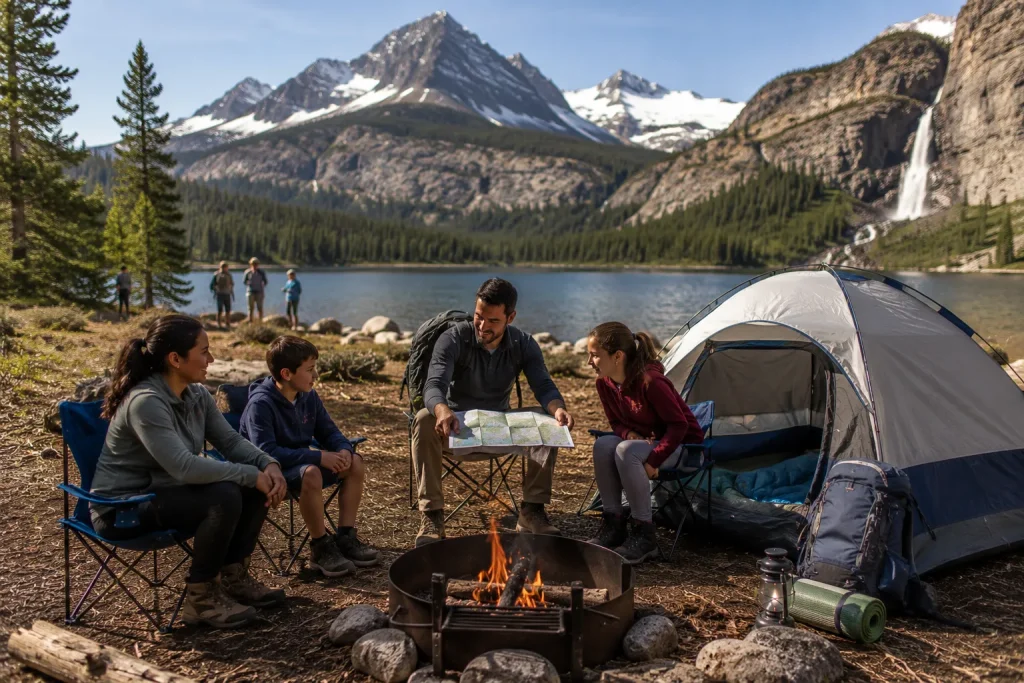
Camping has become one of the most popular ways to enjoy affordable vacations. According to the 2025 North American Camping Report, more than 58 million households camp annually. Choosing the right location affects convenience, travel costs, and overall enjoyment. Camping near attractions helps families and travelers spend less time driving and more time exploring. We often see that location influences daily schedules, fuel expenses, and access to activities.
Many campgrounds are positioned close to beaches, national parks, lakes, hiking trails, and entertainment centers. This creates opportunities for short trips and flexible itineraries. A campsite located near major attractions can save several hours of driving during a week-long vacation. Families with children especially benefit from reduced travel time and easier access to amenities.
Camping is more than selecting a tent or RV site. Location determines what experiences are available. Understanding why campsite placement matters helps travelers create memorable vacations while maximizing their budget and time.
Why Camping Near Attractions Improves the Experience
Easier Access to Activities
Camping near attractions allows travelers to enjoy more experiences without spending hours on the road. Many campgrounds are located within 5 to 20 miles of popular destinations. This convenience creates opportunities for multiple activities in a single day.
Families often appreciate shorter travel distances because children spend less time in vehicles. Couples and solo travelers also gain flexibility. They can visit attractions during quieter hours and avoid traffic congestion.
Popular nearby attractions include:
- National parks.
- Beaches.
- Lakes and rivers.
- Historic sites.
- Theme parks.
- Wildlife reserves.
- Hiking trails.
A convenient location often transforms a regular camping trip into a diverse outdoor adventure. Better accessibility improves comfort and reduces stress throughout the vacation.
Cost Savings Associated With Strategic Camping
Lower Fuel and Transportation Expenses
Camping near attractions helps reduce transportation costs significantly. According to the U.S. Energy Information Administration, the average gasoline price in 2025 remained around $3.15 per gallon. Driving shorter distances each day lowers fuel consumption.
Many campers choose locations that allow walking or cycling to attractions. This further reduces expenses while encouraging outdoor activity. Travelers staying close to destinations also avoid parking fees and long commuting times.
| Expense Category | Campsite Near Attractions | Campsite Far Away |
|---|---|---|
| Daily Driving Distance | 10 miles | 60 miles |
| Weekly Fuel Cost | $18 | $72 |
| Travel Time Per Day | 20 minutes | 2 hours |
| Parking Expenses | $0-$10 | $20-$40 |
Strategic Camping decisions often produce noticeable savings over a seven-day trip. Lower transportation expenses leave more room in the budget for activities and meals.
Location Influences Safety and Convenience
Access to Essential Services
Camping close to attractions often means better access to stores, hospitals, restaurants, and emergency services. This becomes particularly important for families, seniors, and first-time campers. Convenience adds confidence and peace of mind.
Many established campgrounds provide nearby grocery stores within a 15-minute drive. Pharmacies and medical facilities are also easier to reach. Travelers can quickly replace forgotten supplies without disrupting vacation plans.
Important nearby services include:
- Grocery stores.
- Fuel stations.
- Restaurants.
- Medical centers.
- Visitor information centers.
- Outdoor equipment shops.
Experienced campers frequently recommend choosing locations that balance natural surroundings with practical accessibility. Convenience contributes greatly to a stress-free vacation. Start your journey with our guide to Camping.
Choosing the Right Attraction for Your Camping Style
Matching Destinations With Interests
Camping experiences vary according to personal interests. Families may prioritize amusement parks or beaches. Nature lovers often seek campgrounds near national parks and forests. Anglers usually prefer lakes and rivers.
Matching attractions with travel goals improves satisfaction. For example, campgrounds near Yellowstone National Park provide access to over 900 miles of hiking trails. Beach campgrounds in Florida offer swimming, fishing, and water sports opportunities throughout the year.
Before booking, we recommend considering:
- Distance to attractions.
- Availability of transportation.
- Seasonal weather conditions.
- Family-friendly activities.
- Campground amenities.
- Reservation policies.
Selecting a location that complements personal interests creates a balanced and enjoyable Camping experience. Careful planning increases the value of every vacation day.
Benefits of Staying Close to Popular Attractions
More Time for Relaxation
Camping vacations should balance adventure and relaxation. Spending less time driving allows travelers to enjoy campfires, scenic views, and quality family time. Shorter travel distances also reduce fatigue.
Research from Kampgrounds of America shows that 72% of campers prioritize experiences over material purchases. Convenient locations support this preference by providing more opportunities for recreation. Travelers can explore attractions during the day and return to camp without lengthy commutes.
The best Camping experiences often come from simple moments. Convenient locations help create those moments by allowing visitors to focus on enjoyment rather than logistics. Time savings become one of the most valuable advantages.
Conclusion
Camping near attractions offers clear advantages for travelers seeking convenience, savings, and memorable experiences. Shorter travel distances reduce fuel costs and maximize vacation time. Access to services and nearby activities adds comfort and flexibility. Whether visiting beaches, national parks, or historic sites, location remains one of the most important factors in trip planning. We recommend evaluating nearby attractions before booking a campsite. A carefully chosen location helps create enjoyable experiences while making every Camping adventure more rewarding and stress-free.