
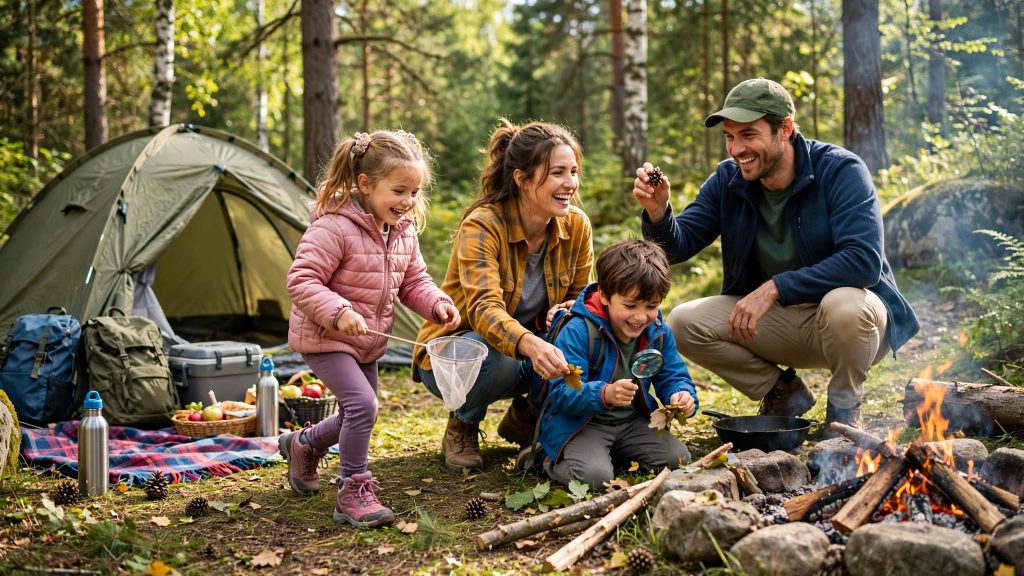
A camping holiday with children can be full of outdoor adventures, shared meals, games, and memorable evenings together. However, travelling with children also means thinking carefully about comfort, safety, food, sleep, and how much activity to fit into each day.
The key to a relaxing family camping trip is not planning every minute. Instead, focus on the essentials, choose a suitable place to stay, and leave enough flexibility for children to explore and enjoy their surroundings at their own pace. A little preparation can make the experience much easier for both children and adults.
Choose a Campsite That Works for the Whole Family
The location can shape almost every part of a family camping holiday. Before booking, consider the ages of your children and what facilities will make daily life easier.
Families with younger children may appreciate toilets and washing facilities close to their pitch or accommodation. Easy access to drinking water, safe walking areas, and places where children can play can also reduce unnecessary trips around the campsite.
Think about the surrounding area as well. A campsite close to a beach, woodland trail, lake, playground, or family attraction gives you activity options without requiring long drives every day.
If sleeping in a tent feels too demanding, particularly with small children, a cabin can provide additional shelter and convenience. Reading about The Best Reasons to Book a Cabin for Your Next Holiday can help when deciding whether a cabin or traditional camping setup better suits your family.
Pack for Comfort Rather Than Every Possibility
It is tempting to pack for every situation when camping with children, but too much equipment can make travelling and setting up more complicated.
Start with the things that directly affect comfort. Suitable sleeping bags, pillows, warm layers, waterproof clothing, comfortable footwear, sun protection, and spare clothes are usually more useful than bringing lots of entertainment or unnecessary camping accessories.
Prepare for Changing Weather
Even when the forecast looks favourable, outdoor conditions can change. Pack clothing that can be layered rather than relying on one heavy outfit.
A waterproof jacket, extra socks, a warm jumper, and a spare set of dry clothes for each child can be particularly useful. Keep essential clothing somewhere easy to reach rather than buried underneath other luggage.
For sunny conditions, remember hats, appropriate sun protection, and reusable water bottles. Children may spend much more time outside than they normally do at home.
Make Sleeping Arrangements Comfortable
Poor sleep can quickly affect everyone’s mood, so give the sleeping setup proper attention.
If you are tent camping, check that there is enough room for everyone to sleep without being crowded by bags and equipment. Sleeping mats or camping mattresses provide insulation as well as cushioning, which can make nights more comfortable.
Try to keep familiar parts of your children’s bedtime routine where practical. A favourite blanket, bedtime story, or small comfort item can make an unfamiliar sleeping environment feel less strange.
For younger children, consider where everyone will sleep before arriving rather than trying to solve the arrangement after setting up camp.
Keep Camping Meals Simple
Cooking outdoors can be enjoyable, but complicated meals can become frustrating when children are hungry and everyone is tired after a day outside.
Plan meals that require relatively few ingredients and limited preparation. Pasta, wraps, sandwiches, grilled vegetables, simple breakfast foods, and one-pot meals can all work well depending on your cooking equipment.
Bring familiar snacks for walks and day trips. Fruit, crackers, sandwiches, and other easy-to-carry foods can help when meals are still some time away.
It is also worth checking whether the campsite has rules about barbecues, campfires, or cooking equipment before planning your menu.
Plan Activities Without Filling Every Hour
Children do not necessarily need a packed activity schedule to enjoy camping. Exploring the campsite, looking for interesting leaves, playing simple outdoor games, helping prepare food, or watching the evening sky can be part of the experience.
Choose one main activity for the day and leave space around it. For example, you might spend the morning on a short nature walk, return for lunch, and leave the afternoon open for games or rest.
Bring a Small Rainy-Day Kit
Bad weather does not have to end the fun. Pack a few compact activities that can be used inside a tent, cabin, or sheltered area.
A small selection might include:
- Playing cards or a travel-sized game
- Colouring materials and notebooks
- A couple of favourite books
- Simple puzzles
- Materials for drawing things spotted during the trip
Keeping the kit small prevents entertainment supplies from taking over valuable luggage space.
Give Children Small Camping Responsibilities
Children often enjoy camping more when they can participate rather than simply following adults around.
Depending on their age, they might help arrange sleeping bags, collect safe items needed around camp, prepare sandwiches, fill water bottles, or tidy their belongings.
Small responsibilities can also make everyday camping routines easier. Keep tasks simple and appropriate for the child’s age rather than turning them into chores.
Build Safety Into Your Daily Routine
Children should understand a few basic campsite rules from the beginning. Explain where they are allowed to play, which areas are off-limits, and what they should do if they become separated from the family.
Supervision is especially important around water, cooking equipment, fires, roads, steep ground, and unfamiliar wildlife.
Keep a basic first-aid kit accessible rather than packed deep inside the car or luggage. A torch or headlamp can also be useful for each adult and older child when moving around the campsite after dark.
Leave Space for a Slower Pace
One of the easiest ways to make a camping holiday with children stressful is trying to fit too much into each day.
Children may need longer meals, unexpected rest periods, extra time getting dressed, or an afternoon doing very little. A flexible plan gives you room to adjust when someone is tired or the weather changes.
It also creates opportunities for the unplanned parts of camping that children often enjoy most, whether that means building something with sticks, watching insects, playing beside the tent, or simply sitting together outside.
Enjoy a Family Camping Holiday Without Overplanning
Planning a fun and relaxing camping holiday with children comes down to balancing preparation with flexibility. Choose family-friendly accommodation, pack for genuine comfort, keep food manageable, prepare for changing weather, and plan a few activities without creating a rigid timetable.
Once the essentials are covered, allow the holiday to develop naturally. Children rarely need every hour organised. Giving everyone enough time to explore, rest, play, and enjoy being outdoors can make family camping feel much more like a holiday.